Learning center
What to do if you've been scammed
Acting fast limits the damage. Watch these videos, then work through the checklist below.
Report & recover with IdentityTheft.gov
From the Federal Trade Commission: how to get a free recovery plan.
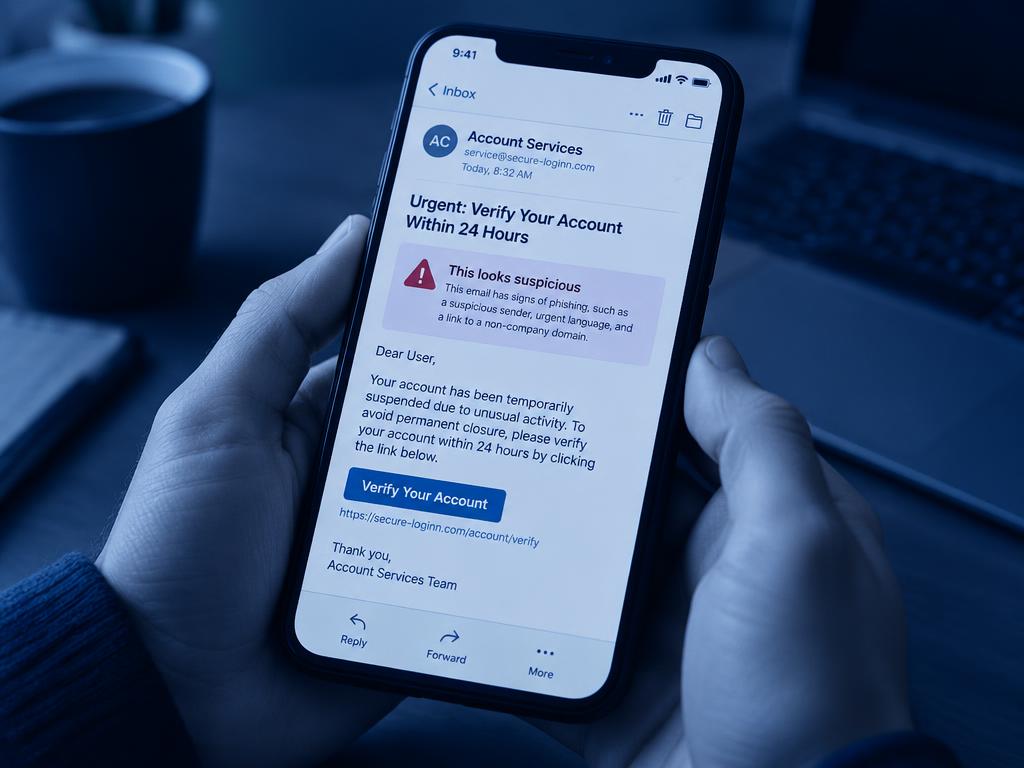
Pause before you click
A suspicious email arrives. Stop, check the sender, and never rush.
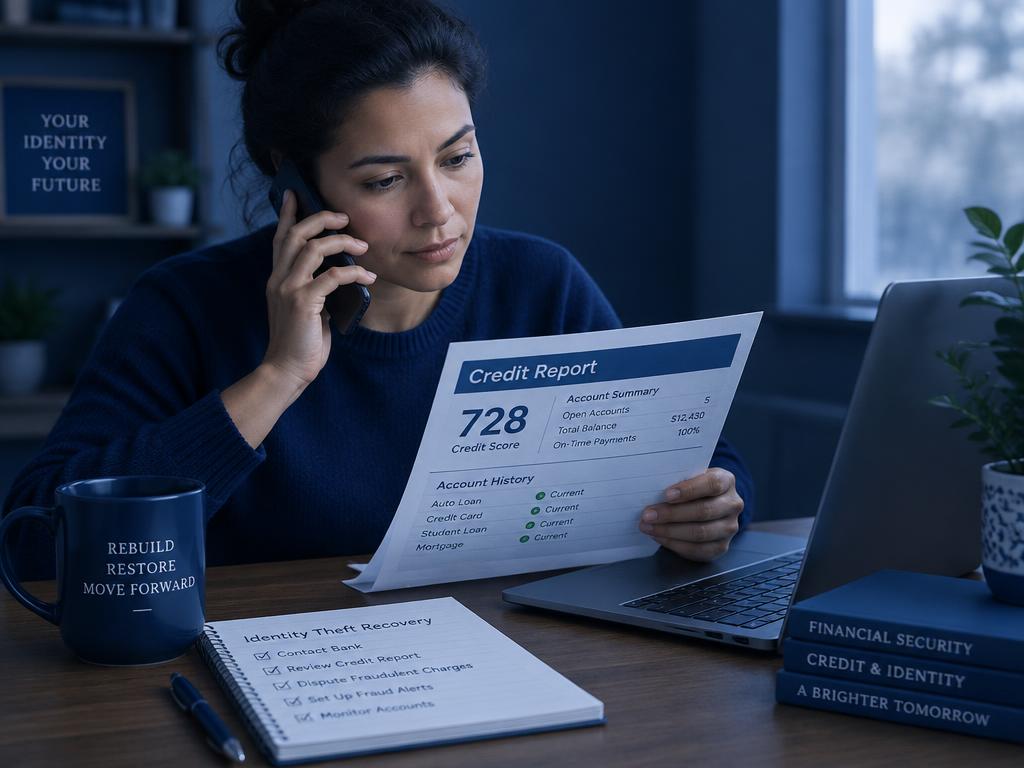
Your recovery checklist
- 1
Call the companies involved
Contact the fraud department of your bank or card company. Ask them to freeze or close affected accounts, and change your passwords and PINs.
- 2
Place a free fraud alert
Contact one credit bureau (Experian, TransUnion or Equifax) — they must tell the other two. Then check your free reports at AnnualCreditReport.com.
- 3
Report it to the FTC
Go to IdentityTheft.gov or call 1-877-438-4338. You'll get an official report and a personal recovery plan.
- 4
Freeze your credit
A credit freeze is free and stops anyone from opening new accounts in your name.
- 5
Watch your accounts
Review bank statements and credit reports for anything you don't recognize, and turn on two-step login everywhere.
Warning signs of a scam email
- ●Urgent threats: "Your account will be closed in 24 hours"
- ●Requests for passwords, codes or gift cards
- ●Sender address that doesn't match the company
- ●Links that go to strange websites
- ●Too-good-to-be-true prizes or refunds